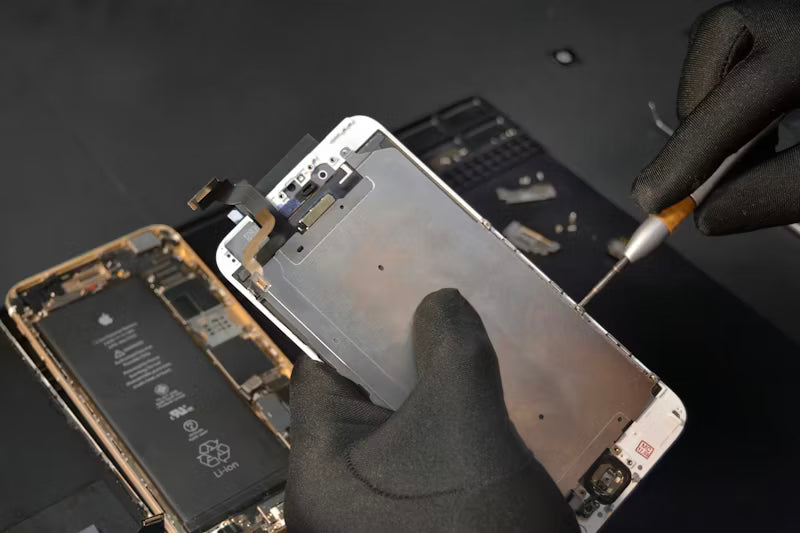
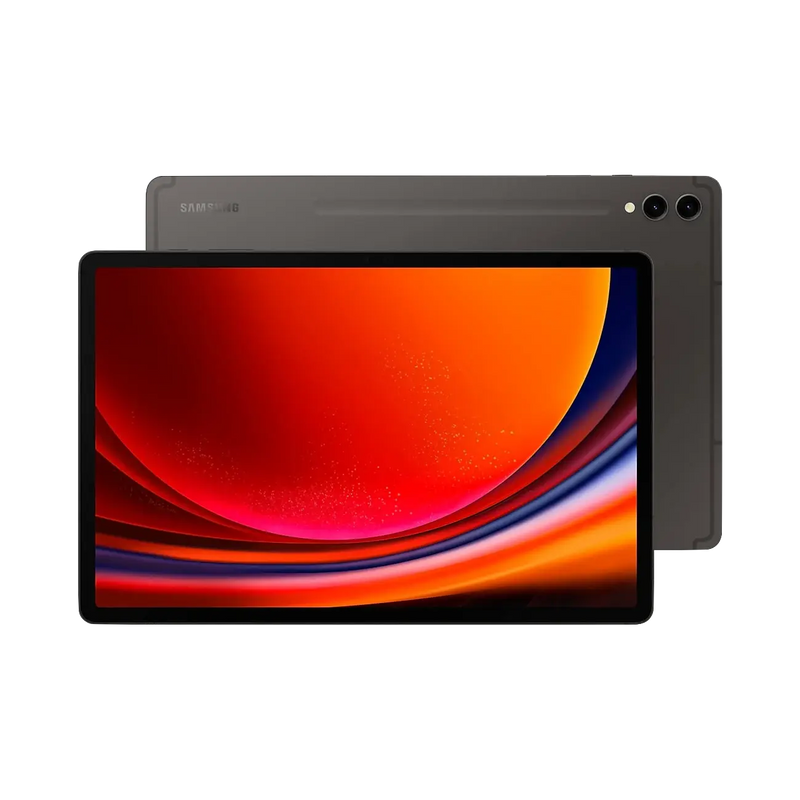
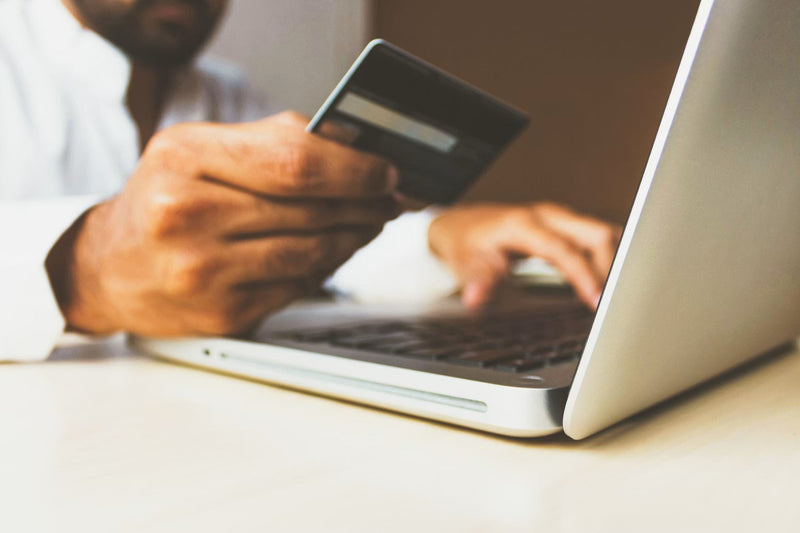
Refurbished tech is one of the smartest ways to buy a phone in Singapore right now — but "refurbished" covers everything from a properly inspected, graded device to a phone someone wiped and relisted overnight. The difference isn't always visible in the photos. It shows up in the details: what's actually been tested, what's been disclosed, and what happens if something's wrong after you pay.
Before you commit to any refurbished phone — from a marketplace listing or a retailer — run it through this checklist. Ten minutes of checking now can save you a bad purchase later.
The 8-point checklist before you buy
IMEI
Every phone has a unique IMEI number, usually found in Settings or printed on the box. Check it against the seller's listing and run it through a free IMEI checker to confirm it isn't reported lost, stolen, or blacklisted. A seller who won't give you the IMEI before purchase is a seller to avoid.
Battery health
Battery health is the single biggest predictor of how a refurbished phone will actually feel to use day to day. Ask for the exact percentage — not "good condition," an actual number. A phone with undisclosed or unusually low battery health will need a replacement sooner than you'd expect, which quietly erases the discount you thought you got.
Screen
Check for scratches, dead pixels, discolouration, and touch response across the full display, including the edges. Screen condition should match what the listing or grade claims — if a phone is described as lightly used but the screen tells a different story, that's a mismatch worth questioning.
Buttons
Power, volume, and home (where applicable) should all respond cleanly with no sticking, double-presses, or delay. Faulty buttons are a common sign of a phone that's had a harder life than the listing suggests.
Cameras
Test every lens, including ultra-wide and front-facing where relevant. Look for focus issues, spots on the lens, or a shutter that lags. Camera problems are expensive to fix and easy for a casual seller to miss or leave undisclosed.
Connectivity
Confirm Wi-Fi, Bluetooth, and cellular signal all work properly, along with GPS if you rely on it. A phone that drops signal or won't hold a Bluetooth connection is a repair cost you don't want to inherit.
Unlock status
Make sure the phone is unlocked to your carrier, or explicitly confirmed to work with yours. Also check it's fully signed out of the previous owner's Apple ID or Google account — a device still tied to someone else's account can leave you locked out entirely.
Seller
Who you're buying from matters as much as the device itself. Look for a track record: reviews, a real return policy, and clear answers when you ask questions before paying. A seller who's vague about grading, battery health, or returns is telling you something, even if they don't say it directly.
Red flags to walk away from
A few signals are worth treating as dealbreakers rather than minor concerns. A price that's dramatically below every comparable listing, with no explanation, usually means something's being hidden. A seller who refuses to share the IMEI or battery percentage before you pay is avoiding a question for a reason. Photos that don't match the described condition, or that are clearly stock images rather than the actual unit, are another warning sign. And any listing with no return option at all shifts 100% of the risk onto you the moment you pay — that's not a deal, it's a gamble.
Why a graded retailer removes most of this risk
Every item on this checklist is something you'd otherwise have to verify yourself, on trust, with a stranger. That's the real cost of buying refurbished tech through informal channels — not the price, but the burden of doing quality control yourself.
A certified retailer removes most of that burden upfront. Every device goes through a fixed inspection process, gets assigned a clear grade (A, B or C), has its battery health tested and disclosed on the listing, and comes with defined return terms.
You're still checking the phone when it arrives — that's always worth doing — but you're not relying entirely on a stranger's word for IMEI status, battery condition, or whether the unit matches its description. That structure is the entire value of buying refurbished tech from a graded seller rather than a private listing.
Frequently asked questions
What's the most important thing to check on a refurbished phone?
Battery health and IMEI status matter most, since both affect how long the phone will last and whether it's legitimately yours to use. Screen and camera condition come next.
How do I check if a refurbished phone's IMEI is clean?
Find the IMEI in Settings or on the box, then run it through a free online IMEI checker before paying. A blacklisted or reported IMEI means the phone could be disconnected from service later.
What battery health percentage is acceptable for a refurbished phone?
Aim for 80% and above. Ask if it isn't stated.
Is it safe to buy a refurbished phone without a return policy?
It's riskier. Without a return window, you're relying entirely on your own inspection at the point of purchase, with no recourse if a fault shows up later.
What's the difference between Grade A, B and C on a refurbished phone?
Grade A is closest to new condition with minimal cosmetic wear. Grade B shows light, visible use. Grade C has more noticeable wear and is sold as-is, without return eligibility — check our grading guide for the full breakdown.
Should I buy refurbished from a marketplace or a certified retailer?
A marketplace listing can work if you're thorough and the seller is transparent, but a certified retailer has already done the grading, battery testing, and IMEI verification for you — which removes most of the guesswork this checklist covers.
About Tech Pasar
Tech Pasar is Singapore's certified refurbished tech retailer. Every phone we sell goes through a full inspection covering IMEI status, battery health, screen, cameras, buttons, and connectivity — and is graded A, B or C before it's ever listed, with the grade and battery percentage shown clearly on the product page.
We built Tech Pasar so you don't have to run this checklist yourself on a stranger's listing. The checking is already done — you're just confirming it when your device arrives.