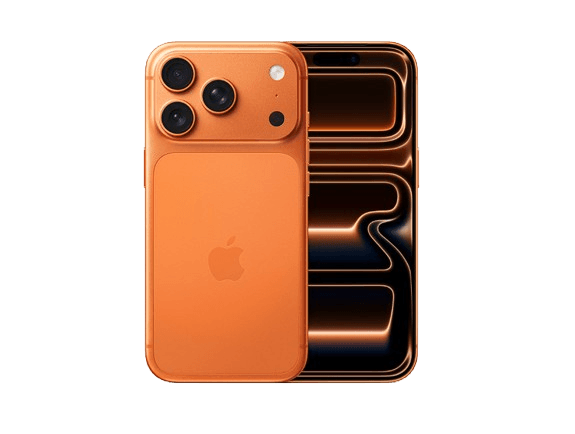
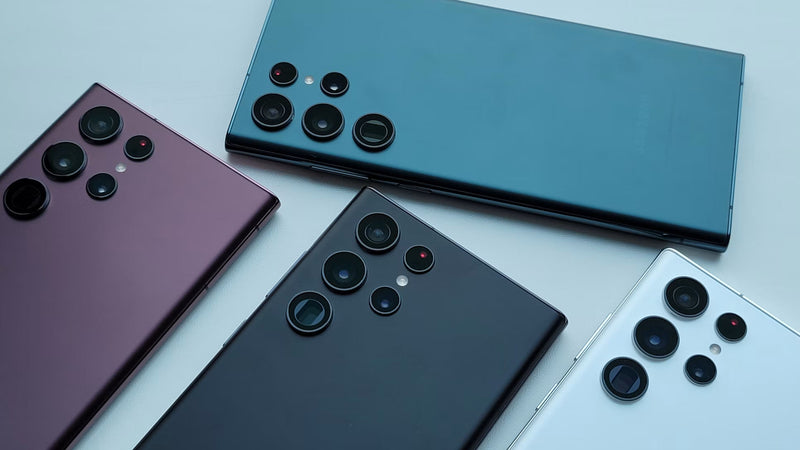
The Samsung vs iPhone debate never really ends, but it looks different when you're buying refurbished. New, the gap between a flagship Samsung and a flagship iPhone is mostly about preference — ecosystem, camera style, interface. Refurbished, the gap becomes more practical. Software support timelines, resale value, price drops by generation, and how each brand holds up over years of use all start to matter in ways they don't when you're buying new.
This isn't a spec sheet comparison. It's a value comparison — which phone gives you more for your money in the Singapore refurbished market, and for which kind of buyer.
Software Support Lifespan Comparison
This is the single biggest factor most buyers overlook, and it matters enormously when buying refurbished because you're starting with a phone that's already one to three years old.
Apple currently supports iPhones with major iOS updates for around six to seven years from the release date. An iPhone 14, released in 2022, will receive software updates until at least 2028. That means buying a refurbished iPhone 14 today still gives you several years of full iOS support ahead of you — security patches, new features, app compatibility.
Samsung has closed the gap significantly in recent years. The Galaxy S24 series and newer flagships now receive seven years of OS updates, matching Apple's timeline. But older Samsung flagships — the S21, S22, S23 series that make up the bulk of the current refurbished market — were promised four to five years of updates. A refurbished Galaxy S22, released in early 2022, may only have OS support through 2026 or 2027.
The practical implication: if you're buying refurbished and want maximum software longevity, iPhones currently have the edge across most of the price range you'll be shopping in. That will change as newer Samsung flagships filter into the refurbished market with longer support commitments, but it's the reality of the current SG refurbished landscape.
Resale Value
iPhones hold their resale value better than Samsung phones — consistently, across every market including Singapore. This isn't opinion. It's reflected in secondary market prices year after year.
A two-year-old iPhone typically retains 50–65% of its original retail value. A two-year-old Samsung flagship of equivalent original price typically retains 35–50%. The gap widens further at three and four years.
What this means practically depends on how you think about a phone purchase. If you buy refurbished and plan to sell or trade in before your next purchase, an iPhone will return more of what you paid. If you're buying to keep and use until the phone is genuinely unusable, resale value matters less and the Samsung's lower initial price becomes more relevant.
Price Range in the SG Refurbished Market
In Singapore's refurbished market, comparable-generation Samsung and Apple flagships are closer in price than most people expect — but Samsung tends to offer more phone for less money at the entry and mid tiers.
A refurbished Galaxy S22 sits in a similar price bracket to a refurbished iPhone 13, but the S22 has a larger screen, more camera versatility, and USB-C charging. A refurbished Galaxy S23 competes with the iPhone 14, again at a slightly lower price point with more hardware flexibility.
Where iPhones justify the price premium is longevity and ecosystem. If you're already using a MacBook, iPad, or AirPods, the integration with iPhone is genuinely seamless in ways that Samsung's Android ecosystem doesn't replicate — iMessage, AirDrop, Handoff, continuity camera. That integration has real daily value and it doesn't show up in a spec comparison.
If you're not invested in Apple's ecosystem at all and just want a capable daily phone at the best price per feature, Samsung's refurbished flagships are hard to argue against.
Which Grade Matters More Per Brand
For both brands, grade affects cosmetics and battery health — not underlying performance. But the grading consideration plays out slightly differently.
For iPhones, the build quality of aluminium and glass or titanium frames means cosmetic wear on a Fair or Very Good grade device tends to be minor scratches and scuffs rather than structural damage. Samsung flagships also use glass and metal construction, but the larger screens on most Samsung models mean a greater surface area where cosmetic wear is visible.
For either brand, battery health is the more important number than cosmetic grade. A Premium-grade phone with 79% battery health is a worse buy than a Very Good-grade phone with 91% battery health. Always check battery health independently of condition grade before committing.
For Samsung specifically, also confirm the phone is region-unlocked and not a carrier-locked unit imported from another market. Some Samsung models sold in Singapore's grey market are US or Korean variants that may have different band support or feature sets.
Who Each Is Right For
Choose a refurbished iPhone if you're already in the Apple ecosystem, you want maximum software longevity on your purchase, resale value matters to you, or you want a phone that will integrate seamlessly with other Apple devices you already own.
Choose a refurbished Samsung Galaxy if you prefer Android, you want more screen size and camera versatility for the price, you're not tied to any existing ecosystem, or you want the best hardware specifications per dollar without the Apple premium.
Neither is the wrong answer. They serve different buyers. The mistake is choosing on brand loyalty alone without considering how the software support timeline, price, and grade interact with how long you actually plan to keep the phone.
FAQ
Is a refurbished Samsung or iPhone better value in Singapore?
It depends on what you value. iPhones hold resale value better and currently offer longer software support across most refurbished price points. Samsung flagships offer more hardware for less money. If you're in the Apple ecosystem, iPhone. If you want the best specs per dollar on Android, Samsung.
Do refurbished Samsung phones get software updates?
Yes, but the timeline depends on the model. Newer Samsung flagships (S24 and above) are promised seven years of OS updates. Older models like the S21 and S22 were promised four to five years, meaning some may be approaching end of support now.
Why do iPhones hold their value better than Samsung phones?
Primarily because of Apple's long software support cycles and consistent demand. An iPhone that's four years old still runs the latest iOS and remains in demand on the secondary market. Equivalent Samsung models typically receive fewer years of OS support, which reduces long-term demand.
Should I check anything specific when buying a refurbished Samsung?
Battery health, network unlock status, and regional variant. Some Samsung phones in SG's secondary market are carrier-locked or regional imports with different band support. Buy from a retailer who confirms the phone is unlocked and Singapore-compatible.
Which refurbished phone is better for someone new to smartphones?
iPhone tends to be more straightforward for first-time smartphone users — the interface is consistent, updates are automatic, and the ecosystem is well integrated. Samsung's Android is more customisable but has a slightly steeper learning curve.
About Tech Pasar
Tech Pasar sells certified refurbished Samsung Galaxy and iPhone models in Singapore — individually inspected, graded, and battery-tested before listing. Every phone is confirmed network unlocked and compatible with all Singapore SIM cards. Grade, battery health, and full device condition are listed on every product page so you can compare clearly before you buy. No vague descriptions, no surprises on arrival.